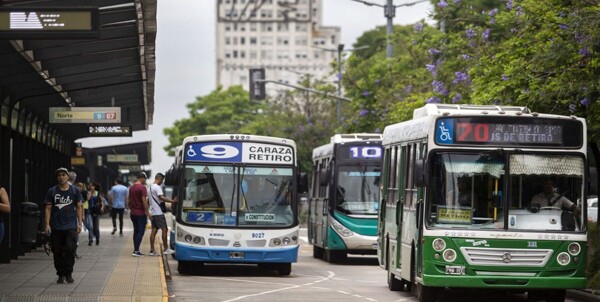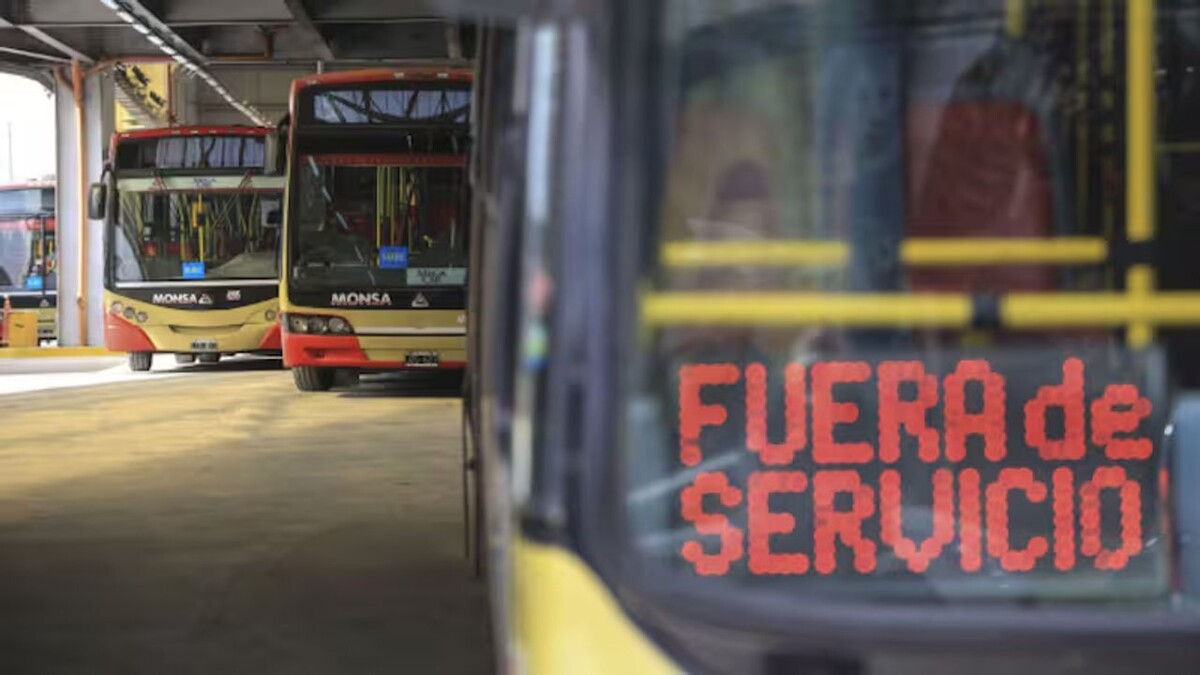
Passengers in the Buenos Aires Metropolitan Area (AMBA) had another difficult day, marked by delays and a significant reduction in bus frequency. While the Dota lines will continue with reduced service this Thursday, the Union of Transport Workers (UTA) has joined the conflict with work stoppages. A key meeting is scheduled for this Thursday before noon. The situation, which affected thousands of users during peak hours on Tuesday and Wednesday, is a response to the economic crisis in the transport sector, and the situation could worsen, according to the Argentine News Agency. The Union of Transport Workers (UTA) announced this afternoon that, starting from midnight on Thursday, it will reduce its services, meaning there will be fewer buses circulating in the Buenos Aires Metropolitan Area (AMBA). Consequently, all bus lines will have reduced service this Thursday. Which lines continue with limited service For this Thursday, an extensive list of lines will operate with less frequency than usual. Among them are: 1, 2, 8, 9, 10, 15, 17, 19, 20, 21, 22, 24, 28, 29, 31, 32, 33, 37, 41, 45, 46, 49, 51, 53, 55, 56, 57, 59, 60, 63, 67, 70, 71, 74, 75, 78, 79, 80, 85, 86, 87, 88, 91, 92, 93, 95, 96, 97, 98, 100, 101, 103, 105, 110, 111, 113, 114, 117, 119, 123, 124, 126, 127, 128, 129, 130, 133, 134, 135, 136, 140, 143, 145, 146, 148, 150, 152, 153, 154, 158, 159, 160, 161, 163, 164, 166, 168, 169, 172, 174, 176, 177, 178, 179, 180, 181, 182, 184, 185, 188, 193, 194, 195 and 197. The measure will mainly affect services in the Buenos Aires Metropolitan Area (AMBA), where less availability of units and longer waiting times at key stops are expected. The provincial lines from 200 to 499 and the communal lines from 500 onwards will also provide reduced services. However, with the UTA's measure, all lines will have delayed services, which could change after the meeting they will hold this Thursday around noon.